
Table of Contents
- The History and Evolution of Whisky Distilleries
- The Birth of Japanese Whisky Distilleries
- Japanese Whisky on the Global Stage
- The Art and Science of Distillation
- Understanding the Basic Distillation Process
- Technological Evolution and Its Impact
- The Elements That Shape Whisky Flavor
- Selecting Ingredients: The Foundation of Flavor
- Maturation in Casks: A Dance with Time
- Iconic Japanese Distilleries: Exploring Yamazaki and Hakushu
- Hakushu Distillery: Flavor Born from Alpine Water
- Yamazaki Distillery: The Origin of Japanese Whisky
- FAQ: Everything You Need to Know About Whisky Distilleries
- How Do I Start a Whisky Distillery?
- Why is Suntory Yamazaki Loved Worldwide?
- Hakushu vs. Yamazaki: Which Do You Recommend?
1. The History and Evolution of Whisky Distilleries
The Birth of Japanese Whisky Distilleries
The history of whisky distilleries in Japan began in 1924 with the opening of Suntory’s Yamazaki Distillery.
As Japan’s first whisky distillery, it established the foundation for the industry and remains a sacred site for whisky enthusiasts today.
Following this, Nikka Whisky’s Yoichi Distillery began operations in 1936, further accelerating the growth of the Japanese whisky industry.
In recent years, Japanese whisky has experienced a global boom.
Since around 2016, a wave of new “craft distilleries” has emerged across the country.
Today, there are over 80 operational whisky distilleries in Japan, ranging from Hokkaido in the north to Okinawa in the south.
With both large-scale producers and small artisanal makers entering the market, this number is expected to continue rising.
Japanese Whisky on the Global Stage
Japanese distilleries are highly regarded worldwide for their quality and technical prowess.
What sets them apart is their unique approach to production, distinct aging methods, and meticulous selection of ingredients—factors that have captured the attention of whisky lovers around the globe.
2. The Art and Science of Distillation
Behind every whisky’s complex taste and aroma lies the precise and intricate art of distillation.
This section explores the technology behind the process and the secrets of whisky’s unique character.
Understanding the Basic Distillation Process
The journey of whisky—from malting and fermentation to distillation and aging—is what creates its signature profile.
Understanding this flow allows for a deeper appreciation of the spirit.
Factors such as the shape and material of the pot stills, as well as the temperature and duration of distillation, all play crucial roles.
Knowing these variables adds a layer of wonder to every sip.
Technological Evolution and Its Impact
Distillation technology is constantly evolving, leading to the creation of new flavors and characteristics.
Recently, the industry has seen a shift toward eco-friendly distillation methods and the adoption of technologies that differ from traditional practices.
As each distillery adopts its own unique techniques, the world of whisky becomes increasingly rich and diverse.
This evolution brings new discoveries and surprises to enthusiasts, expanding the ways whisky can be enjoyed.
3. The Elements That Shape Whisky Flavor

The flavor of whisky resides in the details of its production.
From the choice of raw materials to the casks used for aging, every decision shapes the final aroma and taste.
Selecting Ingredients: The Foundation of Flavor
The raw materials of whisky—primarily malt and water—are gifts from the land.
Malt grown in peat-rich soil or clear water brimming with minerals will impart a unique character to the spirit.
These ingredients form the essential foundation upon which the whisky’s flavor is built.
Maturation in Casks: A Dance with Time
Aging whisky is a collaboration with time.
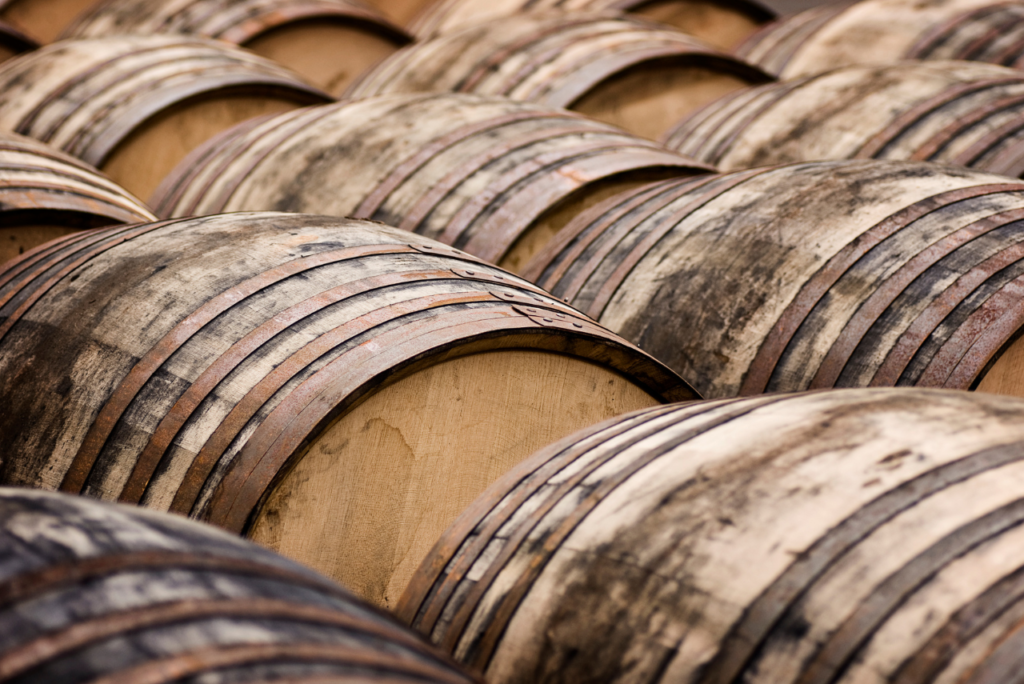
The type of wood, the history of the cask (such as Sherry or American Oak), and the level of char on the inside all influence the final flavor and color.
A single choice in cask selection can drastically alter the profile, giving the whisky its depth and complexity.
4. Iconic Japanese Distilleries: Exploring Yamazaki and Hakushu
Japanese whisky is internationally acclaimed for its unique flavors and production methods.
The Yamazaki and Hakushu distilleries, in particular, stand as representatives of Japanese whisky history and technical excellence.
Hakushu Distillery: Flavor Born from Alpine Water
Nestled in the forest, the Hakushu Distillery uses pristine underground water from the Japanese Southern Alps.
By utilizing traditional wooden washbacks for fermentation, they produce a whisky known for its refreshing, mellow, and fruity character.
The combination of the natural environment and decades of expertise creates a flavor with exceptional depth.
Yamazaki Distillery: The Origin of Japanese Whisky
As Japan’s first distillery, Yamazaki holds a special place in the hearts of fans.
Located near the confluence of three rivers, it uses high-quality water and a diverse range of casks for aging.
Yamazaki is particularly famous for its Sherry cask-aged whiskies, which have won numerous international awards for their sweet, rich, and opulent aromas.
5. FAQ: Everything You Need to Know About Whisky Distilleries

For those with questions or a deeper interest in the industry, here are answers to some common inquiries about whisky distilleries.
How Do I Start a Whisky Distillery?
Launching a whisky distillery involves several critical steps: selecting a location, installing distillation equipment, hiring specialized staff, and obtaining the necessary manufacturing licenses.
The selection of the location is particularly vital, as the quality of the water source and the local climate will have a significant impact on the flavor of your whisky.
Why is Suntory Yamazaki Loved Worldwide?
Suntory Yamazaki is adored globally due to its rich history, its use of pure water from the Yodo River basin, and its mastery of aging in diverse cask types.
These elements combine to create a distinctively high-quality profile that resonates with whisky fans around the world.
Hakushu vs. Yamazaki: Which Do You Recommend?
It depends on your preference.
Hakushu is characterized by a crisp, green, and fruity flavor.
Yamazaki is known for its deep, sweet, and multi-layered complexity.
Both are pillars of Japanese whisky, so we recommend trying both to discover which style speaks to you.
[ForCompanies Considering Craft Whisky Production]
A Must-Read for Those Planning to Launch a Craft Whisky Distillery. Did you know that by integrating a microbrewery model, it is possible to produce craft whisky even on a small scale?
Furthermore, we offer a strategy to generate revenue even during the long maturation period.Why not consider launching your craft whisky business with Augst Beer?
We have a proven track record of supporting successful distillery launches across Japan.
[Request Information]