
Table of Contents
- What is the Initial Investment for a Whisky Distillery?
- Actual Breakdown of Initial Investment
- Estimated Investment Amounts and Variability Factors
- Funding Methods and Key Points
- Investment in Facilities and Equipment
- Distillation Equipment: Costs of Pot Stills and Column Stills
- Storage Facilities: Types of Casks, Costs, and Warehouse Expenses
- Other Equipment: Water Treatment, Power Supply, Boilers, etc.
- Land and Building Costs and Selection Points
- The Importance of Location: Site Conditions and Accessibility
- Comparing Construction Costs vs. Renovation Costs
- Strategies to Reduce Initial Investment
- Pros and Cons of Utilizing Existing Facilities
- Utilizing Local Government Support and Grants
- Joint Purchasing and Rental of Equipment
- Flow and Procedures Until Opening
- Schedule from Distillery Design to Operation
- Application Documents and Legal Procedures for Opening
- Points for a Smooth Launch
With the global attention on Japanese whisky, many people are interested in establishing their own whisky distillery.
Naturally, the biggest concern is the initial investment cost.
In this article, we explain the reality of the initial investment for those who want to establish a whisky distillery or are interested in craft whisky production.
1. What is the Initial Investment for a Whisky Distillery?
Actual Breakdown of Initial Investment
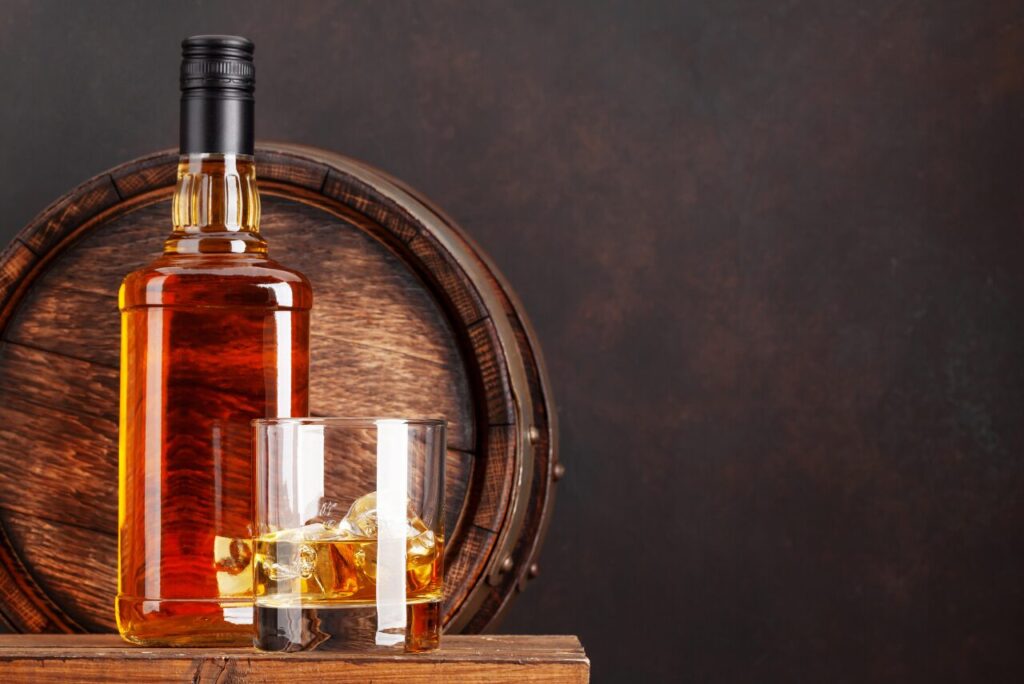
The initial investment for a whisky distillery mainly involves the following costs:
Equipment Costs: This includes the cost of equipment necessary for whisky production, such as stills (pot stills or column stills), mash tuns, and washbacks (fermentation tanks).
A complete set of this equipment can range from tens of millions to over 100 million yen (approx. $670,000+ USD).
Land and Building Costs: Acquiring the land necessary for the distillery and the costs of constructing or renovating buildings are also significant burdens.
A large plot of land is particularly necessary, and while costs vary greatly by location, establishing the distillery in the suburbs or rural areas can reduce costs.
Raw Material Costs: Costs for raw materials used in production, such as barley, yeast, and water, are incurred.
Additionally, costs for consumables required in the manufacturing process, as well as materials for bottling and labeling, are important.
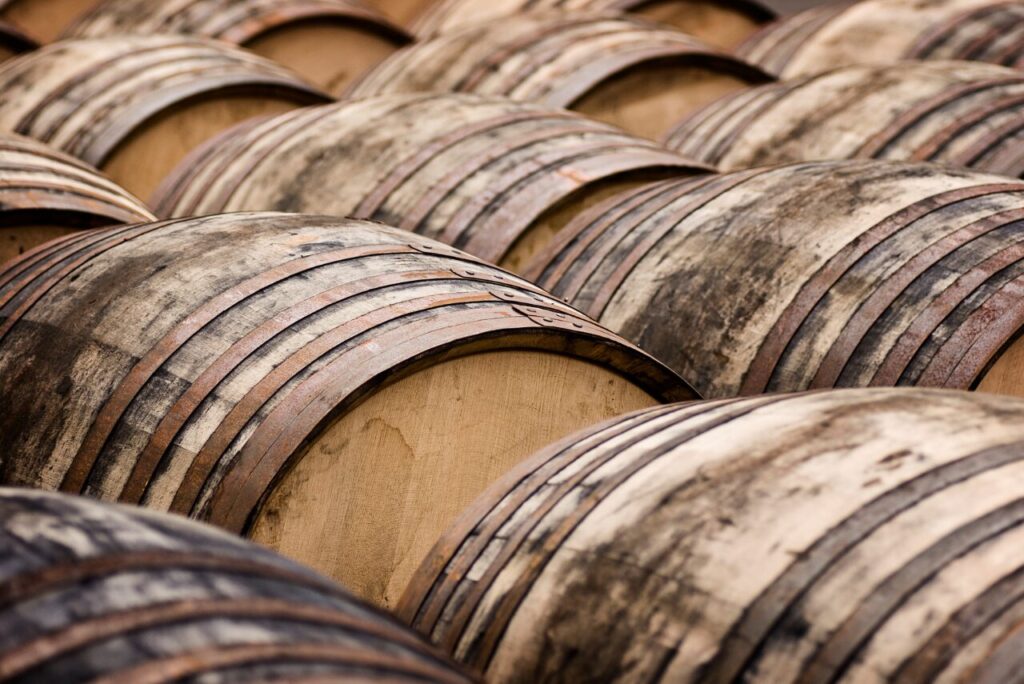
Storage and Maturation Costs: Since whisky takes several years or more to mature, you must also consider the cost of storage facilities and casks.
Whisky casks, in particular, are expensive, often costing tens of thousands of yen each, and space is needed to store them for the long term.
Legal and Application Fees: Whisky production requires a manufacturing license stipulated by the Liquor Tax Act, which incurs application fees and costs related to legal procedures.
As we will explain in more detail later, the total generally starts at no less than 100 million yen (approx. $670,000 USD) and often exceeds 200 million yen (approx. $1.3 million USD).
For large-scale distilleries, the initial investment can approach 10 billion yen (approx. $67 million USD).
Estimated Investment Amounts and Variability Factors
While a minimum of 100 million yen is generally required for the initial investment of a whisky distillery, it can reach several hundred million yen depending on scale, equipment type, and location.
The factors that cause these amounts to fluctuate are as follows:
Grade of Equipment: Introducing high-quality pot stills, precise fermentation tanks, or environmentally friendly water treatment facilities will increase costs.
Location Conditions: Setting up in a rural area can keep land costs down, and you may receive regional support.
On the other hand, urban areas offer the prospect of attracting tourists, which can provide revenue benefits in addition to the initial investment.
New vs. Used Equipment: Choosing new equipment increases installation costs, but costs can be reduced by utilizing leases or second-hand items.
Funding Methods and Key Points
Securing funds to cover the initial investment is a critical challenge in opening a whisky distillery.
Representative funding methods and their key points are as follows:
Local Government Grants and Subsidies: Utilizing subsidies and grants designed to support regional revitalization is one option.
By establishing a whisky distillery as a tourism resource, there are cases where support can be obtained from the local community.
Self-Financing: To minimize risk, it is important to prepare as much of your own capital as possible.
The more self-financing you have, the easier it is to receive loans from financial institutions.
Loans from Financial Institutions: Options include borrowing funds through business loans from regional banks or credit unions, or startup support loans from the Japan Finance Corporation.
It is advisable to choose a financial institution that understands the characteristics of whisky production.
Crowdfunding: Crowdfunding is popular as a method to raise funds while simultaneously gaining wide recognition for the business.
Since there are many supporters interested in craft whisky production, it also has the merit of securing customers in advance.
2. Investment in Facilities and Equipment
Distillation Equipment: Costs of Pot Stills and Column Stills
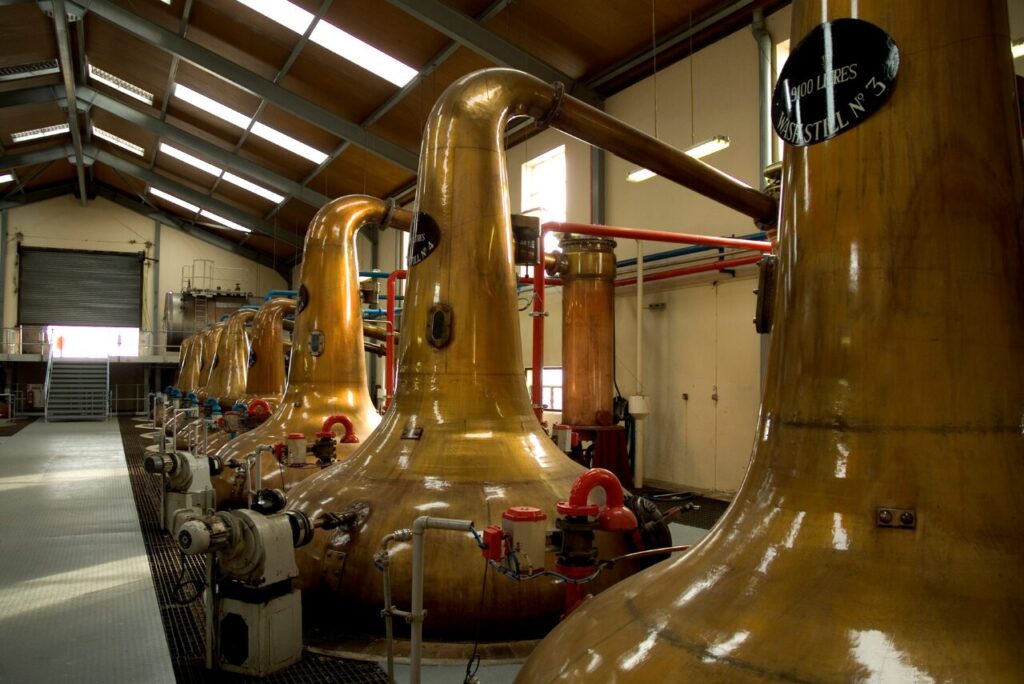
One of the most critical pieces of equipment in a whisky distillery is the distillation apparatus.
Japanese craft whisky distilleries often use traditional pot stills to focus on aroma and flavor, with copper pot stills being the mainstream.
Copper plays a role in removing sulfur compounds, making it suitable for creating the mellow flavor characteristic of whisky.
The price of a pot still varies depending on size and manufacturer, ranging from several million to tens of millions of yen per unit.
Since few companies in Japan manufacture high-quality pot stills, many are imported from places like Scotland, which incurs additional shipping costs.
On the other hand, column stills (continuous stills) are suitable for distilleries that also produce spirits other than whisky.
They are capable of efficient distillation and suitable for mass production, but are considered less suitable for pursuing the diverse aromas of single malt whisky.
Column stills are generally more expensive than pot stills and are considered equipment for large-scale distilleries.
Storage Facilities: Types of Casks, Costs, and Warehouse Expenses
Since whisky deepens in flavor through storage and maturation, appropriate storage facilities are essential.
The type of cask also has a significant influence on the whisky’s flavor.
In craft whisky, American oak barrels and Sherry casks are often used, generally costing from tens of thousands to hundreds of thousands of yen each.
New barrels and first-fill barrels (barrels used for the first time) are particularly rich in flavor and high in quality, making them more expensive.
For storage, a warehouse to keep the whisky casks is also necessary.
The construction and maintenance costs of the warehouse are significant, and facilities that maintain a stable humidity and temperature environment are required.
Especially since “angel’s share” (evaporation) occurs during whisky maturation, establishing an appropriate storage environment is crucial.
Air conditioning equipment to keep the humidity inside the warehouse constant is also necessary as a long-term investment.
Other Equipment: Water Treatment, Power Supply, Boilers, etc.
Whisky production requires a large amount of water.
Water used for mashing, fermentation, and cooling is a critical element, so it is desirable for the local water quality to be good.
Therefore, it is required to introduce water treatment equipment as needed to manage water quality.
Power supply equipment is also important.
Since the whisky manufacturing process requires significant electricity, a stable power supply is necessary.
Especially when establishing a distillery in a rural area, infrastructure development may be needed, so it is important to estimate the cost of introducing power equipment in advance.
Boilers are indispensable equipment used as a heat source for the distillation process and other steps.
Types of boilers include gas boilers and electric boilers, which are selected according to facility scale and energy efficiency.
Since boilers also incur fuel costs, selection must be made with operational costs in mind.
3. Land and Building Costs and Selection Points
The Importance of Location: Site Conditions and Accessibility
Choosing the location for a whisky distillery is a key factor that determines the success of the distillery.
First, the primary point is whether it is a place where “water can be secured,” which greatly affects the quality of the whisky.
Since whisky production requires a large amount of water and water quality affects flavor, a location with a high-quality natural environment and groundwater is desirable.
Additionally, since whisky distilleries attract attention as venues for local tourism and brewing experiences, accessibility should also be considered.
A location that is easily accessible by car or public transport is a major advantage for anticipating an increase in tourists.
On the other hand, distilleries located in mountainous areas or nature-rich regions are quiet and susceptible to natural influences, which can provide a good environment for whisky maturation.
Furthermore, regions that are eligible for tax incentives or subsidies should also be considered.
Local governments, in particular, may offer support for opening sake brewing facilities or provide grants as part of regional revitalization efforts.
Therefore, opening in a region where you can utilize local government support programs may be advantageous for keeping startup costs down.
Comparing Construction Costs vs. Renovation Costs
Constructing a distillery involves significant costs.
Building from scratch requires everything from site preparation to building construction.
Specifically, to ensure sufficient height and durability for distillation equipment and storage space, costs are often higher than for general commercial facilities.
Depending on land conditions and the scale of the building, costs vary greatly, often requiring a budget of at least tens of millions of yen.
On the other hand, there is also the method of renovating existing buildings to reduce costs.
For example, cases of converting closed school gymnasiums, old warehouses, or sake breweries into distilleries are increasing, which can curb costs through purchase and renovation expenses.
The advantage of renovation is that because the building foundation exists, the construction period is shortened, making it easier to reduce initial costs.
However, when renovating an existing building for a whisky distillery, additional equipment may be needed to meet conditions such as ceiling height, piping maintenance, and temperature/humidity control.
Also, since the whisky manufacturing process involves various legal requirements, renovation based on the Fire Service Act and Building Standards Act is necessary.
This requires specialized knowledge, so planning must proceed in cooperation with architects and facility designers.
Overall, even if renovation appears cheaper, it is important to judge carefully, considering long-term maintenance costs and the effort of renovation.
4. Strategies to Reduce Initial Investment
Pros and Cons of Utilizing Existing Facilities
One way to reduce initial investment when opening a whisky distillery is to renovate and utilize existing facilities.
In particular, large existing facilities such as old sake breweries, closed school gymnasiums, and warehouses make it easier to secure the wide space necessary for whisky production, with the biggest merit being the reduction of construction costs.
Also, renovation often shortens the period until opening, offering the advantage of being able to start the business smoothly.
On the other hand, existing facilities also have several disadvantages.
First, if the building’s height or durability is not suitable for whisky production, necessary renovation costs may be incurred.
Also, old buildings require updates to piping and power equipment, costs which must be considered.
Furthermore, since whisky production requires meeting regulations such as the Fire Service Act and Building Standards Act, renovation to meet these legal requirements may be necessary.
Whether to utilize existing facilities is an important decision that should be made after comprehensively considering the benefits of reduced initial costs against the effort and cost of renovation.
Utilizing Local Government Support and Grants
When opening a whisky distillery in a rural area, it is recommended to utilize local government support and subsidy systems.
Many local governments support business openings for regional revitalization and may offer grants, subsidies, or low-interest loan systems.
Also, since distilleries are often expected to contribute to the local area as a tourism resource after opening, you may receive support in terms of promotion by collaborating with local tourism associations and economic organizations.
Since the content of grants and support systems varies by region, it is important to inquire with each local government or regional bank in advance to confirm what support is available.
Especially in areas where depopulation is progressing, there are cases where a portion of equipment purchase costs is covered or land is provided free of charge, so proactive information gathering is advisable.
Utilizing such local support can significantly reduce initial investment.
Joint Purchasing and Rental of Equipment
To reduce initial investment, methods such as purchasing equipment jointly with other operators or utilizing rental equipment are also effective.
Since large equipment such as stills, storage tanks, and boilers are expensive to purchase, joint purchasing within the craft whisky industry to share according to usage frequency and scale is one strategy.
For example, several craft distilleries can cooperate to purchase equipment and utilize it efficiently by adjusting usage schedules, thereby reducing individual investment amounts.
Furthermore, there is the option of using rental equipment.
Since whisky production volume is limited in the initial stages, you might start operations with rental equipment rather than purchasing everything, and switch to ownership as the business grows.
The merit of rental equipment is not only reducing purchase costs but also ease of maintenance and repair, and the flexibility to update equipment.
In this way, utilizing joint purchasing and rentals not only reduces initial investment but also leads to building networks with other operators in the whisky industry, offering expectations for new benefits such as information sharing and technical cooperation.
5. Flow and Procedures Until Opening

Schedule from Distillery Design to Operation
To open a whisky distillery, careful planning from design to operation is necessary.
First, the formulation of a business plan and preparation of initial investment take place.
After that, securing land and designing the building begins.
Generally, it is said to take about one year from design to the completion of construction.
After the building is completed, equipment such as distillation gear and storage facilities are installed, and test runs are conducted.
During this time, it is crucial to obtain the necessary licenses and approvals.
Next, staff hiring and training are essential.
Since whisky production requires skill, it is desirable to conduct training before opening.
Also, do not forget to proceed with securing raw materials and establishing a logistics system before the first batch begins.
Planning by calculating backward from the opening schedule is key to a smooth launch.
Application Documents and Legal Procedures for Opening
Opening a whisky distillery requires several legal procedures and applications.
First, for the most important liquor manufacturing license, you apply to the tax office and undergo an examination to see if the manufacturing location meets legal standards.
Acquiring this license requires that the facility meets safety standards and that environmental considerations are taken.
You need to anticipate a period of about six months for permission acquisition.
Additionally, checks on equipment and safety aspects based on the Fire Service Act and Building Standards Act are necessary.
Regarding hygiene management, notification to the public health center may also be required.
Since these procedures are handled at different windows, it is important to firmly grasp the order and deadlines of applications when creating the schedule.
Prepare early to ensure that delays in procedures do not occur right before opening.
Points for a Smooth Launch
Preparation and planning are essential for a smooth opening.
First, regarding the acquisition of permits and licenses, it is recommended to build the schedule early and proceed with the preparation of application documents.
Also, by consulting with the tax office and public health center early on towards the opening, you can confirm the documents to be submitted and equipment standards, enabling a smooth response.
Furthermore, consulting with peers and experts in advance is also effective.
By getting advice from distillery owners with opening experience or consultants, you can expect to avoid trouble and proceed smoothly with application procedures.
Opinions from experts are a great help, especially regarding risk management and cost optimization in new openings.
Finally, it is good to consider sales plans and marketing strategies for after the opening in advance.
Since whisky takes years to mature, considering strategies for securing revenue and business sustainability after opening at the same time can lead to long-term success.
[ForCompanies Considering Craft Whisky Production]
A Must-Read for Those Planning to Launch a Craft Whisky Distillery. Did you know that by integrating a microbrewery model, it is possible to produce craft whisky even on a small scale?
Furthermore, we offer a strategy to generate revenue even during the long maturation period.Why not consider launching your craft whisky business with Augst Beer?
We have a proven track record of supporting successful distillery launches across Japan.
[Request Information]