

Table of Contents
- The Appeal and Market for Craft Whisky Startups
- The Background of the Global Craft Whisky Boom
- Why Japanese Whisky is Garnering Attention
- Basic Knowledge for Establishing a Whisky Distillery
- Legal Regulations and Licensing
- Budgeting for a Whisky Distillery
- The Process of Starting a Craft Whisky Business
- Fundraising and Planning
- Acquiring a License
- Equipment Installation and Still Selection
- Selecting Raw Materials
- Summary
1. The Appeal and Market for Craft Whisky Startups
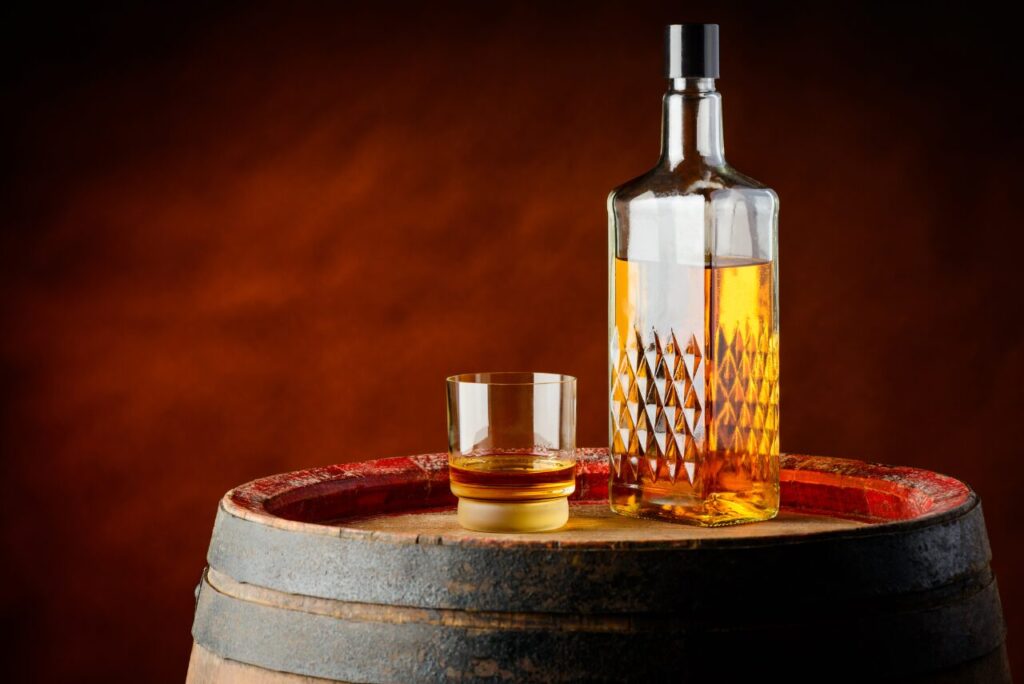
The Background of the Global Craft Whisky Boom
The global craft whisky boom is driven by a consumer shift from mass-produced goods to distinct, individualized tastes.
In the West, the number of small-scale distilleries has doubled over the past decade.
In particular, “terroir whisky,” which reflects the unique climate and culture of a region, is gathering significant attention.
For example, an emerging distillery in Scotland has succeeded in driving up the market price per bottle to several times that of major brands by using domestically grown oats and rare cask materials while strictly limiting annual production.
This kind of diversity constantly provides new discoveries for consumers, which has become the core value of craft whisky.
Why Japanese Whisky is Garnering Attention
The international reputation of Japanese whisky was triggered by a rush of awards in the 2010s, and its momentum has only accelerated since.
After Yamazaki and Hakushu were recognized as some of the world’s finest whiskies, emerging distilleries like Chichibu, Kanosuke, and Akkeshi have continuously shone in international competitions.
This has created an ongoing state of anticipation, with people constantly wondering what new face will appear next.
Maturation in Japanese Mizunara oak casks showcases Japan’s unique advantages, astonishing the world with delicate flavors born from subtle aromatic compounds.
From an entrepreneur’s perspective, this immense focus on Japanese whisky is a treasure trove of opportunities.
When building a brand, you can share a unique story with the world—encompassing history, local climate, and artisanal dedication.
As demand increases, you also gain greater freedom in pricing and choosing your sales channels.
Consequently, by expanding not only domestically but also into international markets, you can expect significant business growth and improved profitability.
2. Basic Knowledge for Establishing a Whisky Distillery
Legal Regulations and Licensing
To obtain a whisky manufacturing license in Japan, submitting an application is mandatory, and the review process can take anywhere from half a year to a full year.
Acquiring the license requires meeting minimum production volumes, equipment standards, and having a strict quality control plan for raw materials.
If these criteria are not met, the license will not be issued.
Furthermore, if you are considering exporting overseas, you must also adapt to the labeling standards and tariff systems of your target countries.
There have been cases where emerging distilleries faced difficulties with customs label reviews and acquiring certificates of origin when entering European or North American markets.
Therefore, it is crucial to conduct detailed research on these systems well in advance.
Budgeting for a Whisky Distillery
The initial investment amount varies greatly depending on the scale of the distillery and the quality level you aim to achieve.
While it may be possible to start with a minimum of tens of millions of yen for a very small scale, an initial investment of over 100 million yen (approx. $670,000 USD) is generally required.
Pot stills cost around 5 to 10 million yen each, and oak casks range from tens of thousands to over a hundred thousand yen per barrel.
When you add the costs of constructing a maturation warehouse, introducing temperature and humidity control systems, and setting up a mini-lab for research and development, the budget swells rapidly.
Utilizing crowdfunding or securing government subsidies are viable methods for raising funds to offset these costs.
Since it takes several years to sell your first whisky products during the initial management phase, a strategy to simultaneously produce other distilled spirits (like gin or vodka) as an early revenue source is highly effective.
By accumulating these innovative approaches, you can achieve stable management with an eye on long-term return on investment.
3. The Process of Starting a Craft Whisky Business
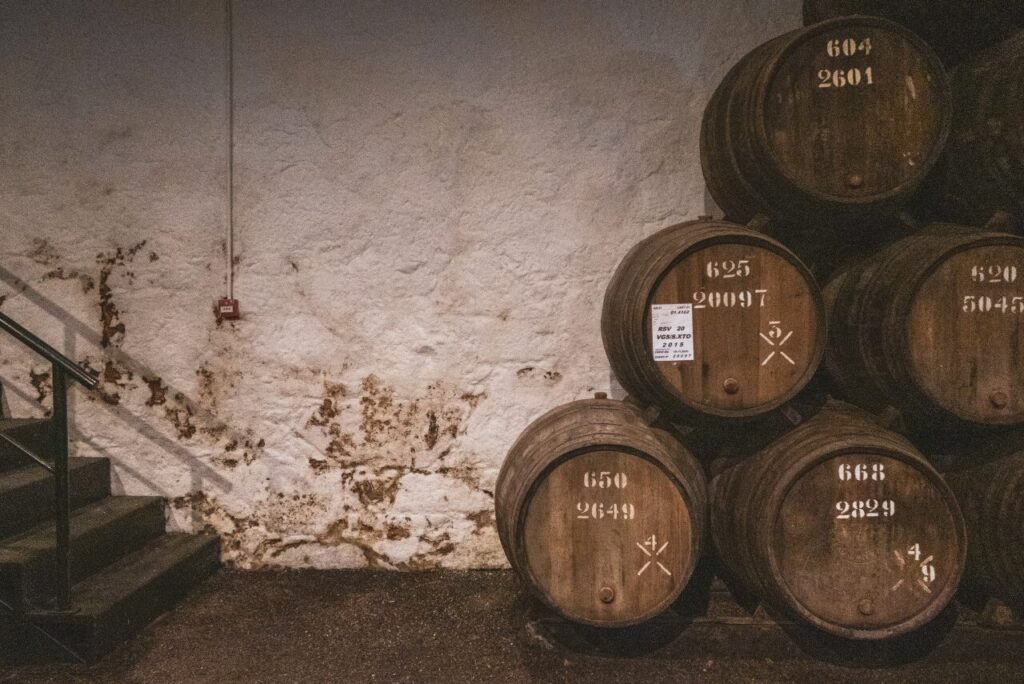
Fundraising and Planning
Initial investments can range from hundreds of millions to billions of yen, but unique funding methods are increasingly available.
Examples include raising over 10 million yen through crowdfunding or securing tens of millions of yen in investments from European investors.
It is also a great idea to build community excitement through locally focused events, such as distillery tours, creating a situation where fans willingly become financial supporters.
During the planning phase, it is crucial to incorporate cash flow projections that account for the maturation period, as well as strategies to ensure profitability through the high-priced sale of limited-edition bottles.
This will convince investors and lenders that the business will generate long-term value.
Acquiring a License
To pass the manufacturing license application based on the Japanese Liquor Tax Act, you must overcome a multifaceted review encompassing production plans, quality control, and financial status.
To shorten the license acquisition period, which typically takes six months to a year, having a specialist oversee the process from an early stage is a highly recommended strategy.
Obtain your license swiftly so that you can quickly transition to brand building and marketing activities.
Equipment Installation and Still Selection
A single copper pot still costs between 5 and 10 million yen, and an oak cask costs tens to hundreds of thousands of yen.
When you add fermentation tanks, a malt mill, and a maturation warehouse, the total easily reaches tens of millions of yen.
A strategy of repeating test batches with small-lot production and gradually expanding your equipment is often effective.
There are successful examples where a distillery started with small-scale equipment and, after winning an international competition, invested in additional machinery to simultaneously scale up and strengthen the brand.
Selecting Raw Materials
Beyond grains like barley, rye, and corn, the selection of materials—including water quality, yeast, and cask wood—is a profound subject.
By mixing imported casks with domestic raw materials, you can create a unique flavor profile, opening up endless possibilities.
The selection of raw materials is directly tied not only to the taste but also to story-building.
It is essential to establish a one-of-a-kind brand identity by utilizing local resources while responding to international flavor trends and shifts in consumer preferences.
4. Summary

We have comprehensively covered the practical points of starting a whisky business: the global craft whisky boom, the success factors of Japanese whisky, legal regulations, financial planning, equipment selection, and securing raw materials.
Starting a craft whisky business involves a large initial investment and hurdles such as licensing and quality control.
However, through multifaceted approaches—including planned cash flow management, maturation strategies aimed at investment recovery, compliance with export regulations, limited releases, and value creation through tourism—it is a field where massive future growth can be expected.
Japanese craft whisky is garnering incredible attention worldwide.
While the barriers to entry are high, once the business is on track, the results can far exceed expectations.
Nurturing your own unique taste, story, and brand, and sending it out to the world is a challenge with social and cultural significance that transcends mere business.
We strongly encourage you to take your first step onto the magnificent stage of whisky entrepreneurship.
[ForCompanies Considering Craft Whisky Production]
A Must-Read for Those Planning to Launch a Craft Whisky Distillery. Did you know that by integrating a microbrewery model, it is possible to produce craft whisky even on a small scale?
Furthermore, we offer a strategy to generate revenue even during the long maturation period.Why not consider launching your craft whisky business with Augst Beer?
We have a proven track record of supporting successful distillery launches across Japan.
[Request Information]