

Table of Contents
- Basic Knowledge of Craft Whisky
- What is Craft Whisky?
- Differences from Regular Whisky
- The History of Craft Whisky
- A Manufacturing Process Full of Charm
- Selection of Ingredients
- Manufacturing Process and Production Period
- Craft Whisky Trends in Japan and the World
- Characteristics of Japanese Craft Whisky
- Introduction to Global Craft Whiskies
- Deep Dive into the Charm of Craft Whisky
- What Makes Craft Whisky So Attractive?
- How to Drink to Bring Out Aromas and Flavors
- Summary
1. Basic Knowledge of Craft Whisky
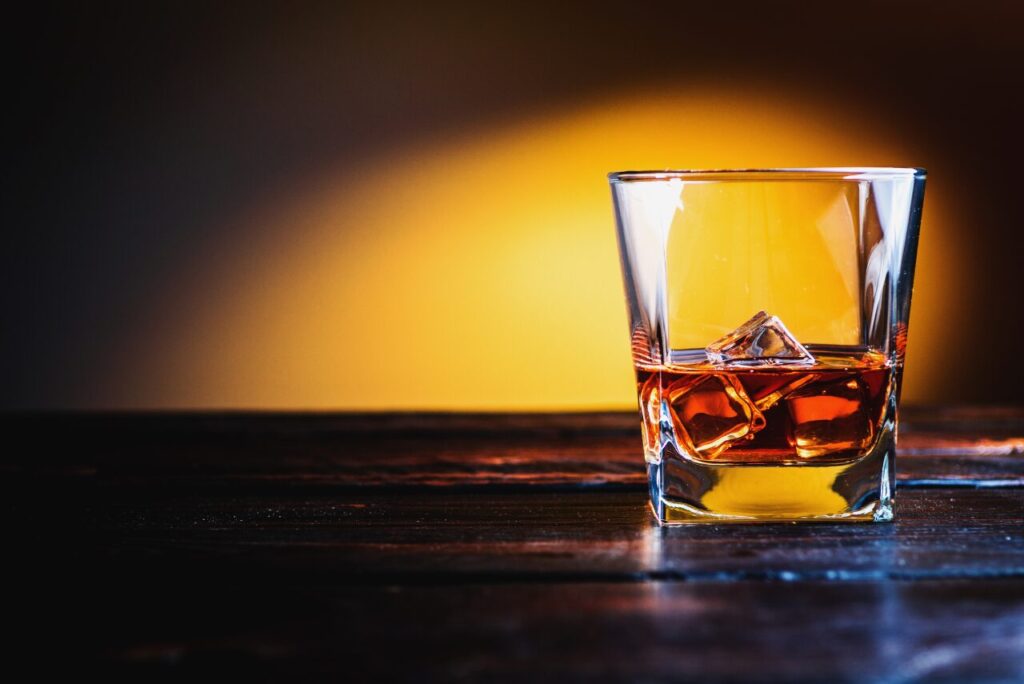
What is Craft Whisky?
Craft whisky refers to whisky produced in small-scale distilleries, strongly reflecting the craftsmanship and commitment of the makers.
Unlike mass-produced whisky, it is characterized by unique manufacturing methods and the use of local ingredients.
Because you can enjoy different flavors and aromas from each distillery, it is highly rated among enthusiasts.
Another appeal of craft whisky is its emphasis on “local production for local consumption,” often reflecting the local climate and culture in the product.
This has garnered attention for providing a special experience to those who drink it.
Differences from Regular Whisky
The main difference between regular whisky and craft whisky is the scale of production.
Major manufacturers’ whisky presupposes mass production and pursues stable quality.
On the other hand, craft whisky focuses on small-batch production, using special grains and water harvested locally to bring out unique flavors.
As a result, craft whisky is rich in diversity, allowing the drinker to feel they are tasting a “one-of-a-kind” whisky.
The History of Craft Whisky
The history of craft whisky is relatively new.
Since the 1990s, a “craft beer” boom occurred mainly in the United States, which also influenced whisky.
In the U.S., small-scale distilleries inheriting the tradition of Bourbon whiskey were born and began announcing unique products.
In Japan, craft whisky has been attracting serious attention since the 2010s.
Small-scale distilleries have been established in nature-rich regions like Hokkaido and Kyushu, developing products that utilize local ingredients and water.
Examples of winning awards at international contests are increasing, and they are gaining high praise overseas as well.
2. A Manufacturing Process Full of Charm
Selection of Ingredients
The first step in determining the quality of craft whisky is the selection of ingredients.
Malt: Barley is common, but depending on the distillery, special varieties harvested locally may be used. This creates a region-specific flavor.
Water: Water plays a very important role throughout the distillation process. Craft whisky enhances the taste of local nature by utilizing clear water sources around the distillery.
Yeast: The selection of yeast, which produces alcohol and flavor in the fermentation process, is also important. Craft whisky distilleries use specially selected yeast strains to create unique aromas and flavors.
This choice of ingredients is the key to creating “distinctive tastes” that are difficult to achieve in mass production.
Manufacturing Process and Production Period
The production of craft whisky involves many steps, each imbued with the craftsman’s skill.
Mashing Malt is crushed and mixed with hot water to convert starch into sugar. The sweet liquid (mash) obtained at this stage becomes the foundation of the whisky.
Fermentation Yeast is added to the mash and fermented in a tank for several days. In this process, along with alcohol, the components that become the source of the whisky’s aroma are born.
Distillation Many craft whiskies undergo double distillation. After obtaining a liquid called “low wines” in the first distillation, high-concentration “spirits” are made in the second distillation. Different flavors are formed for each distillery depending on the shape of the pot still and the heating method.
Maturation The spirit is aged in wooden casks for several years or more. During this period, it absorbs aromas and colors from the wood, completing the whisky. The longer the maturation period, the more complex and deep the flavor becomes.
Bottling Finally, the aged whisky is bottled and commercialized. At this stage, blending may be performed to adjust the taste.
Characteristics of Production Period Craft whisky production requires a maturation period of at least several years.
Legally, Scotch whisky is required to be aged for three years or more, but many pursue depth of flavor with maturation periods of 10 years or more.
On the other hand, an increasing number of distilleries are attempting to provide unique tastes with short-term maturation as a new endeavor.
3. Craft Whisky Trends in Japan and the World
Characteristics of Japanese Craft Whisky
Japanese craft whisky is attracting worldwide attention for its uniqueness and high quality.
Ingredients and Methods Utilizing Regionality A major appeal of Japanese craft whisky is that many products reflect the region’s nature and culture.
For example, the “Akkeshi Distillery” in Hokkaido is influenced by the cool climate and sea breeze in its whisky maturation, while the “Kanosuke Distillery” in Kyushu produces whisky with a unique aroma utilizing the warm climate.
Also, like the Chichibu Distillery, some distilleries use Mizunara (Japanese oak) casks rooted in the Japanese climate to create unique aromas and tastes.
Gaining International Acclaim Japanese craft whisky boasts numerous awards in international competitions.
Products that fuse regionality and craftsmanship, such as “Akkeshi Single Malt” and “Kanosuke Single Malt,” are particularly highly rated.
Introduction to Global Craft Whiskies
The global craft whisky market is also attracting attention for its diversity and originality.
Each country incorporates its own style and technology to create unique products.
USA In the American craft whisky scene, small-scale distilleries focusing on Bourbon and Rye whisky are growing rapidly.
For example, “Heaven Hill Distillery” in Kentucky and “Kings County Distillery” in New York are gathering support with products that combine tradition and innovation.
In particular, Bourbon using local corn and wheat features a taste that emphasizes regionality.
Scotland Scottish craft whisky respects the tradition of single malt while incorporating modern approaches.
“Ardnamurchan Distillery” and “Eden Mill Distillery” are noted for their eco-friendly production processes and experimental blends.
Craft Whisky in Emerging Countries Taiwan and India are also rising as craft whisky production regions.
Taiwan’s “Kavalan Distillery” is characterized by short-term maturation utilizing the tropical climate, and its smooth mouthfeel is internationally evaluated.
On the other hand, India’s “Paul John Distillery” offers a unique style fusing smoky flavors with tropical maturation.
4. Deep Dive into the Charm of Craft Whisky
What Makes Craft Whisky So Attractive?
The greatest appeal of craft whisky is its individuality and high quality.
Uniqueness and Regionality Unlike mass-produced whisky, craft whisky is characterized by products that reflect the climate and culture of each region. It realizes one-of-a-kind aromas and tastes.
Craftsman’s Passion and Commitment The passion of the distillery’s craftsmen is poured into the craft whisky manufacturing process. Processes carefully performed by hand down to the smallest detail, from ingredient selection to distillation and maturation, are directly linked to taste and aroma.
Value of Small-Batch Production Being small-batch production is also one of the charms of craft whisky. Since it is highly rare and often released as limited edition products, the joy of collecting expands for whisky enthusiasts. Also, because it is small-batch, fine adjustments are possible, creating an environment where high-quality products are easily born.
How to Drink to Bring Out Aromas and Flavors
To fully enjoy the personality of craft whisky, how you drink it is also important.
Food Pairing Pairing with sweets like chocolate or nuts brings out the whisky’s sweetness and richness. On the other hand, pairing with smoked cheese or grilled meat dishes allows you to enjoy the whisky’s smoky aroma even more.
Neat (Straight) If you want to feel the original aroma and taste of craft whisky directly, neat is best. Warming the glass with your palm while enjoying the scent allows you to savor the whisky’s delicate flavors.
Twice Up (Adding Water) “Twice Up,” adding an equal amount of room temperature water to the whisky, is a method to lower the alcohol content and bring out the aroma and taste more. You will be able to discover hidden flavor notes specific to craft whisky.
On the Rocks When enjoying on the rocks, you can enjoy the change in taste as the ice slowly melts. It is particularly suitable for whiskies with rich aromas and tastes, and has the advantage of making it easier for beginners to drink.
Highball A highball mixed with soda water brings out the light side of whisky. It is especially perfect for craft whiskies with citrus flavors or refreshing aromas. Also, the ease of matching with meals is another charm of the highball.
5. Summary
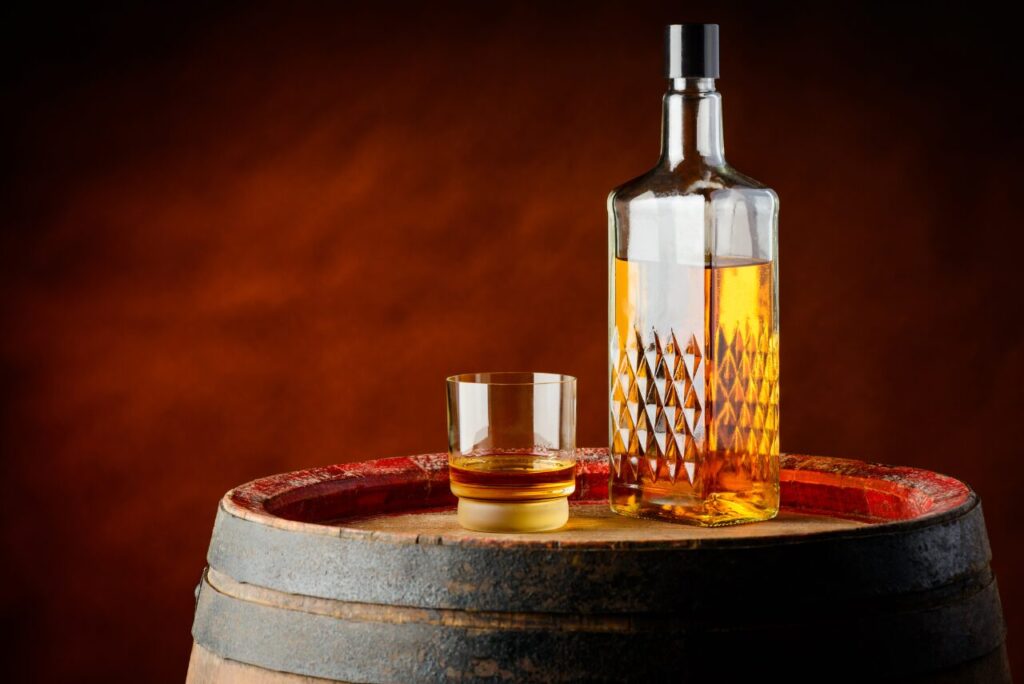
Craft whisky is a special whisky created through the natural environment, craftsmen’s skills, and unique manufacturing processes.
Its characteristics were uniqueness and high quality unique to small-batch production.
Craft whisky’s diversity and individuality are attracting increasing attention, and it will likely continue to enliven the market.
Why not find a craft whisky that suits you and enjoy its profound charm?
[ForCompanies Considering Craft Whisky Production]
A Must-Read for Those Planning to Launch a Craft Whisky Distillery. Did you know that by integrating a microbrewery model, it is possible to produce craft whisky even on a small scale?
Furthermore, we offer a strategy to generate revenue even during the long maturation period.Why not consider launching your craft whisky business with Augst Beer?
We have a proven track record of supporting successful distillery launches across Japan.
[Request Information]